

Puyallup, Washington, sees temperatures in the 30s and 40s throughout the winter. This means homeowners will want to ensure their heating systems are ready for the cold weather. Stay safe and comfortable all season long with reliable heating.
Heat pumps, in particular, can benefit from pre-winter maintenance. This guide explains why you should have your heat pump checked by a team of professionals, like those at G & G Heating, before temperatures plummet. We’ll share common issues to look out for and signs your heat pump needs attention.
Why Pre-Winter Maintenance Matters
Proper operation and maintenance of your heat pump contribute to its effectiveness and efficiency. Here are a few reasons you should call for heat pump service in Puyallup before winter rolls around.
Reliability
Pre-winter maintenance, such as changing the filters and cleaning outdoor coils, ensures reliable operation when you need it. With the strong likelihood of a cold front this winter in Washington , you’ll want to make sure your heat pump is in optimal condition. Performing routine maintenance helps you catch minor issues before they spiral into bigger ones.
Longevity
Routine heat pump maintenance also helps you extend the lifespan of your unit. Like all heating and cooling equipment, maintenance is essential to longevity. Ensuring proper airflow and cleaning the supply and return registers helps maintain your heat pump’s efficiency.
Efficiency
Did you know that how well you maintain your heat pump significantly impacts its energy efficiency? In fact, a severely neglected heat pump uses 10% to 25% more energy than a well-maintained unit. Save on energy bills by investing in routine heat pump maintenance with G & G Heating today.
Checklist for Heat Pump Winter Readiness
So, what should be on your winter HVAC checklist? There are several steps to ensure your heat pump is reliable and properly functioning. In a heat pump inspection, a technician can:
- Verify proper airflow
- Check for refrigerant leaks
- Inspect ducts, filters, blower, and indoor coils for dirt and debris
- Seal duct leaks
- Verify correct refrigerant charge
- Lubricate motors
- Verify thermostat operation
- Inspect and tighten electrical connections
Additionally, homeowners should:
- Change air filters regularly: Standard air filters should be replaced every one to three months. Maintain the air filters according to the manufacturer or installer’s instructions to optimize efficiency and air quality.
- Listen for unusual sounds: Check your heat pump for any rattling, grinding, or buzzing. These sounds may indicate mechanical issues and shouldn’t be ignored.
- Clean outdoor coils: Check outdoor coils for dirt and grime with the heat pump fan off. Remove dust, pollen, and other debris from the outdoor unit.
- Clean supply and return registers: Be sure to regularly clean the registers in your home and straighten any bent fins.
- Test the thermostat settings: Set your thermostat to heating mode to test it before you need it in the winter. If it doesn’t respond or blows cool air, you might need a tune-up.
Catching issues early allows homeowners to prevent mid-season emergencies.
Common Issues to Watch for During Cold Weather
If your heat pump is not blowing hot air during winter, several factors should be considered. These are some of the most common heat pump issues during cold weather.
Dirty evaporator coils
The evaporator coils inside your heat pump absorb heat from the air. These coils can collect a layer of dust and dirt over time, leading to buildup. This buildup makes it harder for the coils to properly absorb heat and perform their job. If you see dirt on your heat pump’s evaporator coils, clean them off and ensure adequate ventilation.
Low refrigerant charge
Refrigerant absorbs and releases heat from your heat pump, so when there is too little of it, your heat pump can't absorb as much heat. Sometimes, a low refrigerant charge can result in a colder home than you’d prefer. Check refrigerant levels and assess for a leak in your system.
Duct leaks
Hot air from your heat pump travels through your home’s air ducts. When air ducts have cracks or holes, the hot air can escape before it reaches your rooms. This heat loss is a major headache in winter and can make your heat pump less effective. Duct leaks can also increase your energy bills without changes to your thermostat settings.
Faulty reversing valve
A faulty reversing valve can make it difficult for your heat pump to switch from cooling to heating. If this is the case, the air coming in may not feel as hot as it should.
Dirty air filters
Air filters catch pollutants, dust, and allergens so they don’t circulate throughout your home. Air filters must be changed regularly to maintain your heat pump's efficiency.
Clogged or dirty air filters limit airflow into your home and can be the culprit when the air doesn't feel as warm as it should. If you haven’t changed your air filters in a while, replace them and see if that improves your heat.
Signs Your Heat Pump Needs Repair or Replacement
How do you know your heat pump needs attention? Here are six signs to watch out for. If you notice any of these, call a professional heating and cooling company like G & G Heating for heat pump services in the Puyallup service area.
Increased energy bills
If you’re experiencing higher-than-usual energy bills, your heat pump may be to blame. Your heat pump’s efficiency may have lowered if it needs maintenance and cleaning. Avoid increased energy bills by setting up a maintenance plan with G & G Heating today!
Strange noises
If you notice rattling, buzzing, or grinding coming from your heat pump or vents, something is likely amiss. Strange noises can indicate there are loose or failing components that need to be addressed.
Foul odors
Similarly, foul odors can indicate problems such as mold or electrical issues. If you smell rotten odors, there could be mold buildup, and if you smell burning, it points to dangerous electrical problems. Call a heating professional right away.
Frequent cycling
If your heat pump is constantly turning on and off, it could be due to clogged air filters, refrigerant leaks, or dirty coils. Short cycling leads to higher energy bills, uneven temperatures, and increased wear on internal components.
Inconsistent temperatures
When your system struggles to maintain the set temperature on the thermostat, it indicates something’s wrong with your heat pump. Inconsistent temperatures can indicate airflow issues, incorrect thermostat calibration, or mechanical problems.
Poor airflow
Weak or uneven airflow can indicate that your blower is having issues, that there are duct leaks, or that the filters are clogged. Contact a heating professional to assess your home if you have poor airflow during the winter.
Professional Service from G & G Heating
If you’re looking for the heat pump experts in Puyallup, you’ve found them. At G & G Heating, we’re skilled in seasonal HVAC care and have extensive experience with heat pumps. Now that you know the signs to look for, you’ll be ready to promote heating efficiency with an energy audit in Puyallup.
Make sure your heat pump runs all winter efficiently. Book a seasonal maintenance visit with G & G Heating today.
Schedule Online(360) 499-6604Are you experiencing loud or rattling noises coming from the furnace? These strange sounds indicate that there is an issue to be addressed in your home. Wondering what strange furnace noises mean? This guide explains what these sounds mean and when to call a professional heating and cooling service, such as G & G Heating.
In Olympia, WA, homeowners trust G & G Heating for expert furnace repair and installation services. Our professionals specialize in repairing furnaces that make unusual noises, ensuring you have reliable comfort. Read on to see if you need a noisy furnace fix.
Common Furnace Noises and What They Mean
There are several noises your furnace may make that can indicate the cause of a potential problem. Here are the most common furnace noises and what they may be telling you about your heating system.
Rattling
Rattling is one of the most common noises that can come from your furnace. This sound typically indicates that there may be loose panels, screws, or other internal components moving around.
Squealing
The sound of squealing often indicates a slipping or faulty fan belt in your furnace that requires repair. This sound should get your attention, especially if you smell burning rubber along with the noise. These signs point to a worn-out blower belt that needs replacement.
Whistling
High-pitched whistling or hissing means that hot air may be escaping through a leak in the ductwork. It can also be due to clogged air filters that are making it harder for hot air to move through.
Buzzing
Buzzing or vibration noises indicate you may have an electrical issue on your hands. If your furnace buzzes when it kicks on, the transformer box may be loose or worn out. In older furnaces, buzzing typically indicates that the transformer box needs to be replaced.
Booming
If you hear a banging or booming sound coming from your furnace, pay attention to when it occurs. Booming sounds that occur about a minute or two after turning on your furnace can mean that dirty burners are delaying ignition. Gas builds up during the delay, resulting in a boom when the furnace ignites. Banging or booming can also indicate expanding air ducts.
Clicking
Clicking is a normal noise for homeowners with furnaces. Gas furnaces emit a clicking noise when the ignition system engages after the thermostat kicks in. This is not a cause for concern and indicates normal functioning.
When a Simple Filter Change Can Solve the Problem
Sometimes, a simple filter change can resolve the strange noises. This is because clogged or dirty air filters restrict airflow, causing a furnace to have to work harder. This overexertion can result in strange noises and strain on the heating system.
Other signs that you need to change your air filters include:
- Short-cycling (furnace frequently turns on and off)
- Higher energy bills
- Reduced airflow from vents
- It’s been more than 90 days (most air filters are designed to last 30-90 days, depending on the filter)
If changing the air filters in your home doesn’t resolve the strange noisemaking, call an HVAC professional, like G & G Heating.
Signs You Need Professional Furnace Repair in Olympia
How do you know you need furnace repair services in Olympia? A malfunctioning furnace can cause discomfort, especially during the colder months of the year.
Knowing when you need furnace repair or replacement helps to minimize downtime and restore comfort as soon as possible. Here are some top signs you could use professional furnace repair:
Strange Noises
Rattling, banging, booming, and other loud noises are not only a nuisance, but can indicate your furnace is overheating, causing metal to expand.
If you have a newer system, dirt could also be the culprit. Try changing all your air filters and calling for professional duct cleaning.
Inconsistent Temperatures
If your heating system is blowing cold air or providing inconsistent heating, a certified HVAC technician can assess and diagnose the problem. Uneven heating is a common furnace problem that often can be addressed by fixing closed dampers. In older models, it may indicate unit replacement is necessary.
Unexplained High Energy Bills
If your energy bills have skyrocketed for no apparent reason, it signals that the efficiency of your heating system may have tanked. An old and inefficient furnace can quickly raise your utility costs. Call for a professional opinion on whether furnace repair or replacement is recommended.
Carbon Monoxide Leaks
Lastly, if your furnace is emitting carbon monoxide, call for emergency furnace repair services immediately. Carbon monoxide (CO) is a dangerous, odorless and colorless gas that can cause sickness or even death. Yellow flames in your furnace can signal an issue with CO, but first and foremost, a CO detector will alert you of its presence.
How Regular Maintenance Prevents Future Repairs
Regular furnace maintenance is the key to keeping your heating system in tip-top shape. From early detection to enhanced safety, routine maintenance prevents costly future repairs.
Early detection
When you get your furnace inspected regularly, technicians can identify minor issues, like small leaks or worn-out parts that need replacement. By identifying issues early, you can prevent bigger damage to important components.
Extend equipment lifespan
Regular maintenance extends the lifespan of your unit by keeping it in optimal working condition. Performing regular tasks, like cleaning and lubrication, prevents the need for costly furnace repairs. Prolong the life of your equipment and avoid future issues by starting a furnace maintenance plan.
Improved performance
A well-maintained heating system will be more energy efficient and lead to better performance all around. This can result in lower energy bills, less repairs, and enhanced comfort.
Enhanced safety
Completing routine maintenance enables technicians to identify potential hazards, such as electrical problems that could cause a fire or other safety issues. Protect your family’s safety by investing in routine furnace maintenance.
Get on a furnace maintenance plan with G & G Heating to prevent costly repairs!
Schedule Your Furnace Check Before Winter Hits
Don’t wait — schedule a furnace check before winter hits in Washington. Our HVAC technicians are in the Olympia service area daily and are experts in furnace repair and installation. G & G is trusted by homeowners in Olympia, Tumwater, Lacey, and DuPont for our commitment to quality service.
Call us today at (360) 499-6604 or contact us online to schedule furnace maintenance or repairs!
Schedule Online(360) 499-6604Why Replacement is Better Done in Spring and Fall
Homeowners in Olympia, WA, and nearby communities such as Tumwater and West Olympia face specific heating and cooling challenges.
With aging ductwork, older systems, and weather patterns that swing from cool mornings to hot afternoons, having an efficient HVAC system in this part of Washington is more important than ever.
Keeping your home comfortable should be a priority, especially during seasonal extremes. This guide explains how the local climate impacts your system and which warning signs to watch for.
When it might be time to consider an upgrade, your air conditioner plays a vital role during those hot summer days, and system performance directly affects comfort and energy efficiency.
Introduction to Home Comfort Solutions
In the South Sound region, home comfort is not just a luxury; it is a necessity. Winters can be damp and chilly, while summers bring heat and humidity, making year-round temperature control essential for your family’s well-being.
In addition to heating and cooling, indoor air quality is a major factor in creating a healthy and enjoyable living space, particularly in homes with moisture or dust concerns.
We understand the unique needs of local homeowners and provide full-service HVAC solutions tailored to the region. Whether you are trying to stay cool in the summer, warm in the winter, or need electrical upgrades for safety and efficiency, we are here to help.
Our services look at the entire HVAC system, from the air circulating through your ducts to the reliability of the equipment itself. Our goal is to ensure lasting comfort, safety, and energy savings for families throughout the area.
Why the Region’s Climate Presents Unique HVAC Needs
The climate in this part of the Pacific Northwest features damp, cool winters and warm, humid summers. Shifts between seasons can happen quickly, especially in places like West Olympia, where temperatures rise more rapidly in the afternoon.
As a result, your HVAC system should be able to:
- Control humidity during the warmer months
- Provide steady heating through winter
- Respond quickly to temperature changes
- Operate efficiently in homes with crawlspaces or older insulation
Upgrading to modern HVAC technology allows homeowners to better manage these fluctuations. If your current system struggles to keep up, it may be time to schedule a professional assessment.
Signs Your System Might Be Undersized or Overworked
Many homes across Thurston County still use HVAC systems installed 15 or more years ago. Even if your system is a decade old, it might not be suitable for your current layout, energy needs, or comfort expectations.
Pay attention to these warning signs:
- Inconsistent temperatures throughout the home
- Noticeable humidity or dryness indoors
- Noisy startups or frequent cycling
- Weak airflow from vents
- High energy bills with no changes in usage
- Rooms that never seem to cool or heat evenly
These symptoms may be caused by an oversized air conditioning unit, outdated thermostats, or inefficient ductwork.
Common HVAC Problems in Older Homes
Older homes in the area, especially those built before zoning and energy codes were widely adopted, tend to have retrofitted systems that come with complications.
Attics and crawlspaces may lack proper insulation or moisture control. This can tax your HVAC equipment.
Additionally, older wiring or outdated water heaters can limit system performance and household comfort. Electrical safety is also a concern, particularly in homes where multiple appliances draw power from the same circuits.
Common problems include:
- Leaky or unsealed ductwork
- Thermostats without zoning capabilities
- Undersized furnaces are not fit for open layouts
- HVAC systems are not built for today’s energy loads
If you’ve added new rooms, updated windows, or changed your insulation, your current system may no longer be the best fit.
Electrical Considerations for HVAC Systems
HVAC performance depends not just on the equipment itself, but also on the electrical infrastructure behind it. In homes with older wiring or overloaded circuits, your heating and cooling system may be at risk for failure or even electrical hazards.
Electrical upgrades are especially important when installing new HVAC units, troubleshooting performance issues, or improving overall system efficiency. Our licensed electricians ensure your HVAC setup is properly grounded, correctly connected, and protected with the right circuit breakers and surge protection.
We work with local homeowners to create a safe electrical foundation that supports long-term HVAC performance and reliability.
Tips to Improve Energy Efficiency This Summer
If your HVAC system still has some life left, a few affordable improvements can increase efficiency and lower your utility bills during the hotter months.
Try the following:
- Install a programmable or smart thermostat
- Seal and insulate any exposed ductwork
- Replace air filters every 30 to 60 days
- Use ceiling fans to help circulate air
- Schedule a professional system tune-up
- Consider switching to a heat pump for year-round performance
A summer maintenance check from G & G Heating can help prevent breakdowns and ensure efficient operation during peak usage.
When to Consider Replacing vs. Repairing Your HVAC
If your system is over 15 years old and repairs are becoming more frequent, it might be time to explore replacement options. Replacing an outdated air conditioner or furnace can result in lower energy bills and improved indoor comfort.
It may be time to replace your system if:
- You schedule multiple repairs each year
- Heating and cooling are no longer consistent
- You are remodeling or expanding your home
- You want better control over indoor air quality or zoning
We provide honest system evaluations to help you decide whether repair or replacement is the right step for your home.
How G & G Heating Supports Homeowners Across the Region
G & G Heating has been serving local families for decades, providing trusted service backed by deep regional experience. Whether you need help with emergency air conditioning repairs, furnace replacements, or whole-system upgrades, our team is ready with practical solutions.
We work with homeowners across Tumwater, Dupont, and the surrounding area. We also support small businesses that rely on consistent indoor climate control.
Our goal is long-term performance and energy efficiency, and we keep detailed service records to better assist you when future needs arise.
Schedule Online(360) 499-6604As the crisp fall air moves into Olympia, homeowners across Thurston County are switching their thermostats from cool to heat. Before that first cold snap hits, scheduling a professional furnace tune-up is one of the smartest steps you can take.
A seasonal inspection not only keeps your home warm and safe, but it also ensures your furnace operates at peak efficiency all winter long.
When done by a trusted local provider like G & G Heating, a fall tune-up gives you peace of mind knowing your system is ready for whatever the Olympia winter brings.
The Benefits of a Professional Furnace Tune-Up in Olympia
Fall furnace maintenance isn’t just a box to check off your list—it’s a proactive investment in your home’s comfort and efficiency. When a qualified HVAC technician inspects your system, they do much more than swap a filter. They test, clean, and fine-tune every component so your system runs as efficiently as possible.
Here’s what Olympia homeowners gain from a fall tune-up:
- Improved Efficiency: A clean furnace runs more smoothly, consuming less energy and lowering your monthly heating costs.
- Reduced Repair Risk: Regular maintenance helps catch worn components or buildup before they turn into emergency breakdowns.
- Longer Equipment Life: Preventive care helps your system last longer, delaying the need for replacement.
- Consistent Comfort: A properly calibrated furnace distributes heat evenly throughout your home, keeping every room cozy.
- Reliable Performance: Knowing your system has been inspected by a professional helps you head into winter worry-free.
Common Furnace Problems Prevented by Fall Maintenance
Skipping your fall maintenance appointment can lead to a range of problems once the temperature drops. Some of the most frequent issues uncovered during inspections include:
- Dirty Filters: A clogged air filter restricts airflow, forcing your furnace to work harder and reducing indoor air quality.
- Worn Belts or Bearings: Over time, mechanical parts wear out, leading to noisy operation and reduced efficiency.
- Faulty Ignition or Pilot Systems: If your furnace struggles to ignite, it can leave your home without heat when you need it most.
- Carbon Monoxide Risks: Cracked heat exchangers or ventilation issues can allow dangerous gases to leak into your living space.
- Electrical or Thermostat Problems: Loose wiring or miscalibrated thermostats can cause inconsistent heating or short cycling.
Catching these issues in the fall ensures they can be repaired on your schedule, not in the middle of a freezing Olympia night.
How Tune-Ups Improve Safety and Energy Efficiency
One of the biggest advantages of scheduling a furnace tune-up is safety. During your service visit, a licensed HVAC technician will inspect all gas and electrical connections, verify proper ventilation, and test for any carbon monoxide leaks. This keeps your family safe and ensures your heating system complies with local safety standards.
Energy efficiency is another major benefit. According to ENERGY STAR and the American Council for an Energy-Efficient Economy (ACEEE), regular maintenance can improve furnace efficiency by up to 15 percent. A well-maintained system uses less energy, reduces wear on components, and provides more consistent heating throughout your home.
Why Scheduling Before Winter Saves Time and Stress
Fall is the ideal time to schedule your furnace tune-up in Olympia. Technicians have more availability before the first freeze, and you’ll avoid the long wait times that come with the peak of heating season. Early maintenance also means you can address minor issues before they escalate into costly emergency repairs.
When you’re proactive, you can plan your service around your schedule—not during an unexpected breakdown in December. Regular tune-ups every fall help you stay ahead of seasonal demand and protect your comfort through the coldest months.
Schedule Your Furnace Tune-Up with G & G Heating
Don’t wait until the temperatures drop to find out your furnace isn’t ready. Schedule your furnace inspection in Olympia with the trusted experts at G & G Heating today. Our experienced team proudly serves homeowners in Olympia, Tumwater, Puyallup, and Dupont, helping families stay warm and safe all season long.
Schedule your furnace tune-up with G & G Heating today to keep your system running efficiently and your home comfortable this winter.
Schedule Online(360) 499-6604As early fall arrives in Olympia and Thurston County, the mornings quickly turn chilly. This shift in weather means your furnace will soon be working hard to generate heat and keep your family comfortable.
The best way to prepare is to schedule furnace maintenance before the cold weather sets in. Regular furnace maintenance helps you avoid costly repairs, keeps your heating system functioning properly, and ensures your home stays safe and warm all season long.
Benefits of Pre-Fall Furnace Tune-Ups
Booking an annual furnace maintenance service in early fall offers several advantages:
- Reduce unexpected breakdowns
A professional inspection can prevent unexpected breakdowns during the peak heating season. Small issues such as loose connections or a dirty filter can be fixed before they cause major damage. - Improve energy efficiency A well-maintained furnace uses less energy to generate heat. This means lower heating bills and reduced strain on your HVAC system.
- Extend system life Annual maintenance protects furnace components like the blower motor, ignition system, and heat exchanger. Regular tune-ups help extend the life of your gas furnace.
- Avoid long wait times Once cold weather arrives in South Puget Sound, every local dealer gets booked quickly. Scheduling early fall service ensures quick appointments and peace of mind.
Common Issues Olympia Homeowners Can Prevent
Skipping regular furnace maintenance can cause problems when you need heat the most. Some of the most common issues include:
- Dust and dirt buildup – Dust collects during summer months, reducing proper airflow and indoor air quality once the furnace turns on.
- Pilot light or electronic ignition problems – If the ignition system fails, your furnace cannot generate heat. A routine maintenance check prevents this.
- Dirty filters restricting air flow – A clogged air filter forces the system to work harder, leading to higher energy bills and uneven heating.
- Noisy or uneven heating – Worn belts or a faulty blower motor can create noise and inconsistent warm air distribution.
What’s Included in a G & G Furnace Tune-Up
When you schedule furnace maintenance in Olympia with G & G Heating, our technicians complete a thorough inspection and handle important maintenance tasks:
- Safety inspections – We test safety controls, inspect gas lines, and check for natural gas or carbon monoxide leaks.
- Filter cleaning and replacement – Replacing filters improves system efficiency and ensures proper airflow.
- Heating system performance check – We measure gas pressure, inspect the burner flame, and confirm the furnace is functioning correctly.
- Thermostat calibration – Ensures your thermostat is accurate so your system’s performance delivers optimal comfort.
- Electrical connections – Our team checks and tightens electrical connections to prevent fire hazards.
This routine maintenance ensures your system is running smoothly, reduces the risk of carbon monoxide, and prepares your furnace for the entire heating season.
How Regular Maintenance Protects Your Home
Annual furnace maintenance does more than keep your system efficient. It protects your home and family in several ways:
- Detects potential gas leaks early
- Helps carbon monoxide detectors work more effectively
- Prevents carbon monoxide buildup from a cracked heat exchanger
- Reduces the chance of costly repairs caused by neglected furnace components
- Ensures safety controls are tested and functioning properly
Why Choose G & G Heating for Seasonal Service
Olympia homeowners rely on G & G Heating for professional furnace maintenance because of our local expertise and commitment to quality.
- Trusted in Thurston County – Families throughout South Puget Sound know us for dependable service and honest recommendations.
- Comprehensive care – From safety inspections to replacing filters, we ensure every part of your gas furnace is checked.
- Convenient scheduling – Use our online scheduling tool to quickly book service and prepare for the heating season.
With G & G, you can be confident your furnace is clear of issues and ready for peak performance.
Why Early Fall is the Best Time to Book
There are several reasons why early fall is the smartest time to schedule furnace maintenance:
- You beat the seasonal rush and avoid long wait times
- Technicians can complete a full maintenance checklist before your furnace turns on for daily use
- Prevent unexpected breakdowns during the coldest months
- Enjoy lower heating bills thanks to improved system efficiency
Keep Your System Running Smoothly All Winter
Routine maintenance keeps your furnace components clean, safe, and functioning correctly. From replacing filters to checking safety controls, every inspection improves comfort and reduces the chance of unexpected breakdowns. Whether you need a furnace tune-up or full annual maintenance, G & G Heating is here to help Olympia homeowners prepare for winter.
Call Us Today!
Now is the time to get ahead of cold weather. Don’t wait until your system fails or higher energy bills catch you by surprise. Schedule furnace maintenance in Olympia today with G & G Heating. Use our contact page to book your appointment and keep your system running smoothly all season long.
Schedule Online(360) 499-6604Thermostat replacement is an important step in keeping your home comfortable year-round. Knowing when to replace a thermostat can help you avoid uneven temperatures, unexpected breakdowns, and higher energy bills.
If your HVAC thermostat is not working properly, whether due to age or malfunction, it may be time to consider thermostat repair in Tumwater or even a new thermostat installation. Many homeowners are also upgrading to smart thermostat options in Tumwater for better energy efficiency and convenience.
Top Signs Your Thermostat Needs Replacing
If you notice any of these telltale signs in your Tumwater home, it may be time to determine if you need a new thermostat and schedule a thermostat installation in Tumwater:
- Inaccurate temperature readings — Rooms feel warmer or cooler than the thermostat setting, which may be due to incorrect temperatures caused by faulty sensors.
- HVAC short cycling — System turns on and off too frequently without reaching the desired temperature, indicating a problem with the cycle or the thermostat's ability to maintain set temperatures. Performing a test trial can help diagnose the issue.
- Unresponsive controls — Pressing buttons or adjusting the dial has no effect, and the thermostat may fail to respond to input due to connection or power issues.
- Higher energy bills — Utility costs rise without any change in usage habits, which can be a result of high energy bills or cooling bills caused by an inefficient or malfunctioning thermostat.
- Outdated manual models — Older thermostats lack efficiency and modern features, and old age, outdated technology, or lack of advanced technology can make them less reliable and efficient.
You can use a portable indoor thermometer to verify if your thermostat readings are accurate. Issues with wiring inside the thermostat can disrupt power or connection. This can lead to malfunctions. Sometimes, a manufacturing defect in the thermostat can also cause it to malfunction.
Most thermostats last about 10 years. Replacing your thermostat after this period is recommended to maintain efficiency and comfort.
Should You Repair or Replace?
Not every thermostat problem requires a full replacement. In some cases, a technician can recalibrate the unit or replace batteries to restore proper function.
However, replacement is often the better choice when:
- The thermostat is more than 10 years old—most thermostats have a typical lifespan of about ten years, and older units may not operate as efficiently as newer models.
- Repairs would cost more than half the price of a new unit—new thermostats offer advanced, efficient technology that can optimize your energy use and improve overall system performance.
- Your HVAC system has been upgraded and is not fully compatible with your current thermostat—having your thermostat replaced with a modern, efficient model ensures optimal compatibility and performance.
If you are unsure which option is right for you, our trusted Tumwater HVAC experts can inspect the unit and recommend the most cost-effective solution.
Thermostat Types and Options
Choosing the right thermostat for your Tumwater home can make a significant difference in comfort, convenience, and energy savings. There are several types of thermostats available, each offering unique features to suit different needs and lifestyles.
Manual Thermostats
Manual thermostats are the most straightforward option, allowing you to adjust temperature settings by hand whenever you want to heat or cool your home.
While these thermostats are simple to use, they require you to remember to change the settings throughout the day, which can lead to inconsistent temperatures and higher energy use if left unchecked.
Programmable Thermostats
Programmable thermostats take convenience a step further by letting you set a schedule for different temperatures at various times of the day or week.
With programmable thermostats, you can automatically lower the heat or air conditioning when you’re away or asleep, and have your home comfortable again before you return. This not only helps maintain ideal temperature settings but can also reduce energy consumption and save money on your energy bills.
Smart Thermostats
Smart thermostats are the most advanced option, offering features like remote control from your smartphone, learning your preferred temperature settings, and even integrating with other smart home devices.
Many smart thermostats can adjust to your routine automatically and provide energy usage reports. They also allow you to control your heating and cooling system from anywhere. These modern thermostats offer the ultimate in flexibility and efficiency, making it easier than ever to keep your home comfortable while managing energy costs.
When considering a new thermostat, think about your daily routine, your comfort preferences, and how much control you want over your home’s temperature. Selecting the right model can help you achieve the perfect balance of comfort and energy efficiency in your Tumwater home.
What Are the Benefits of Installing a New Thermostat
Upgrading to a modern thermostat can improve both comfort and efficiency in your home. Benefits include:
- Better temperature control — Maintain consistent comfort across all rooms
- Improved energy efficiency — Reduce wasted heating and cooling cycles by optimizing both your heating system and cooling systems
- Smart thermostat features — Take advantage of advanced technology, including enhanced programming options, to control your system remotely, set schedules, and track energy usage for potential savings
- Compatibility with newer systems — Ensure your thermostat works seamlessly with high-efficiency equipment
A programmable or smart thermostat can also help you prepare for cold Tumwater winters by keeping your home warm when you need it and saving energy when you do not.
Why Tumwater Homeowners Trust G & G for Thermostat Help
Serving the South Sound for decades, G & G Heating understands the unique heating and cooling needs of Western Washington homes. Our team offers:
- Local experience with HVAC systems in Thurston County
- Transparent service and clear recommendations
- Fast, convenient scheduling through our online booking system
- Skilled technicians who treat your home with care
We provide honest advice and professional installation so you can enjoy peace of mind knowing your thermostat is set up for optimal performance.
How to Get Started
If your thermostat has been giving you trouble or you are ready for an upgrade, now is the ideal time to act before heating season begins.
- Schedule an inspection with our team
- Discuss your options, including smart thermostat models
- Book your installation at a time that works for you
Use our online scheduler to request your HVAC system upgrades in South Sound and enjoy consistent comfort all year long.
Do not wait for the first cold snap to find out your thermostat is not up to the task. Contact G & G Heating today for expert thermostat replacement in Tumwater and trusted HVAC service backed by local experience.
Schedule Online(360) 499-6604Is your Olympia home not reaching your desired temperature? Before assuming your heating or cooling system needs a major repair, you might be able to troubleshoot your thermostat. Many HVAC problems that seem serious actually stem from simple thermostat issues.
Most homeowners are able to troubleshoot thermostat problems without calling a professional HVAC technician. Continue reading to learn some troubleshooting tips from G&G Heating and Air Conditioning.
Understanding Your Thermostat's Role
Whether you're troubleshooting furnace thermostat settings in winter or adjusting AC controls in summer, understanding how thermostats work helps solve problems faster.
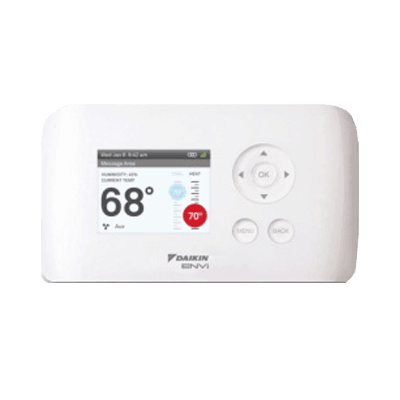
Your thermostat acts as the command center for your home's comfort system. These small but crucial devices use internal sensors to monitor your home's temperature and signal your HVAC system when to turn on or off.
How To Troubleshoot a Thermostat: Start Simple
Power & Battery Check
Begin your thermostat troubleshooting by checking the power supply. For battery-operated models, weak or dead batteries can cause erratic behavior or complete failure.
Replace batteries annually or when your thermostat shows a low battery warning. If your thermostat is hardwired, check your circuit breaker for any tripped breakers that might affect its operation.
Check Your Temperature Settings
Check your temperature settings to make sure they match your comfort needs. If you have a programmable thermostat, check that all time-based settings are correct.
Sometimes, what seems like a malfunction is simply an incorrectly programmed schedule setting or an activated "hold" feature overriding your normal settings.
Also, check that the current time and day are accurate, as incorrect clock settings can cause your system to run at the wrong times.
Basic Cleaning
Over time, dust and debris can accumulate inside your thermostat and affect its operation. These particles can interfere with both electrical and mechanical components.
Carefully remove the thermostat cover and gently clean the interior using a soft brush or small compressed air tool. If you're unsure about cleaning sensitive components, our trained technicians can handle this during routine HVAC maintenance.
Consider Thermostat Location
Your thermostat's location plays a crucial role in its performance. Avoid placing it in direct sunlight, near drafty windows, or close to heat-generating appliances, lighting, or electronics. These factors can cause false temperature readings and make your system cycle incorrectly.
Adjust Anticipator Settings
If you have a mechanical thermostat, you might need to adjust its anticipator— a small component that prevents your system from short cycling.
First, remove the outside housing and look for a small metal lever near a scale marked "longer" to "shorter." If your system cycles too frequently, move the lever one mark toward "longer."
If your home isn't reaching your desired temperature, move it one mark toward "shorter." Wait a few hours between adjustments to see if the change resolved the issue.
Try a Full System Reboot
Sometimes, your thermostat just needs a reset. Here's how to safely reboot your system:
- Set your thermostat to "Heat" or "Cool" and adjust the temperature until your system shuts off
- Locate your electrical panel and turn off the circuit breaker that powers both your thermostat and HVAC system
- Wait for approximately one minute
- Turn the circuit breaker back on
- Allow your system a few minutes to restart and resume normal operation
Consider Replacement or an Upgrade
If you've tried these troubleshooting steps and still experience problems, it might be time to upgrade your thermostat. Modern thermostats offer significant advantages over older models:
- Smart thermostats learn your schedule and automatically adjust to save energy
- Programmable models can help reduce your heating and cooling costs by up to 10% annually
- Wi-Fi-enabled devices let you control your home's temperature from your smartphone
- Advanced features like maintenance reminders and system monitoring help prevent HVAC problems
- Newer models provide more accurate temperature readings and better comfort control
Our team at G&G Heating and Air Conditioning can help you safely remove your old thermostat and install a new, more efficient model.
Solve Your Thermostat Problems Today
If you're still experiencing issues after trying these troubleshooting steps, call G&G Heating and Air Conditioning at (360) 499-6604. Our certified technicians will diagnose your thermostat's problem and recommend the best solution for your Olympia home.
Schedule Online(360) 499-6604Table of Contents
- What Is Short Cycling?
- How To Tell If My AC or Heater Is Short-Cycling?
- HVAC System Shutdown
- How To Prevent Short Cycling
- Contact Our Professionals
Summary: This post discusses how short cycling occurs when an HVAC system turns on and off more frequently than it should. Short cycles may last only a few minutes, preventing the system from operating efficiently and putting additional strain on its components.
________________________________________________________________________
Planning Ahead for Replacement is a Smart Move
Does your HVAC system fall just short of keeping your home truly comfortable? If you notice your furnace, air conditioner, heat pump, or mini-split turning on and off more frequently than it should, you might be dealing with a problem called short cycling. This common but serious issue can lead to higher energy bills and cause premature system wear.
If your system does need to be replaced, the earlier the better. This way, you won't have to rush your decision. You'll have more time to explore your HVAC options. You can even determine the best time to do the replacement.
To learn how this problem can cause lasting damage to your heating and AC units, continue reading.
What Is Short Cycling?
Short cycling is when a furnace, air conditioner, or other HVAC unit turns on and off too frequently. The “cycle” is the period when the equipment is actively running. The shorter the cycle, the harder your system needs to work to reach the set temperature.
In a properly functioning system, heating and cooling cycles should last several minutes. This gives the system time to reach maximum efficiency.
When furnace or air conditioning short cycling occurs, your system might run for just a minute or two before shutting off, only to start up again moments later. This frequent starting and stopping strains your HVAC system and wears out its components.
Whether you're experiencing furnace short cycling during Olympia's chilly winters or AC short cycling in the warmer months, this problem needs attention.
Even mini-split systems, known for their high efficiency, can develop short-cycling issues that compromise their performance. Left unchecked, short cycling can greatly reduce your system's lifespan and lead to costly repairs.
How To Tell If My AC or Heater Is Short-Cycling?
You don't need to be an HVAC expert to spot the signs of short cycling. The most noticeable indicator is a system that frequently turns on and off, often running for less than 5 minutes at a time.
During normal operation, your AC, furnace, heat pump, or mini-split should run for longer cycles. A normal length is typically 10-15 minutes or more, depending on your home's size and outdoor temperatures.
Listen for the telltale start-up sound of your system. If you hear it cycling on and off repeatedly within just a few minutes, you're likely dealing with short cycling.
You might also notice temperature inconsistencies throughout your home. Some rooms may feel too warm or cool because your system isn't running long enough to distribute conditioned air properly.
Pay attention to your utility bills, too. When your HVAC system short-cycles, it uses more energy. When you notice rising monthly costs, it's time to have your system checked by a professional.
Root Causes of Short Cycling
Understanding what causes short cycling helps you address the problem before it leads to costly repairs or system replacement. While some causes are simple to fix, others require professional attention. Here are some common reasons why your HVAC system might be short cycling:
- Wrong Unit Size: If you have a furnace or air conditioner that is too large for your Olympia home, it will likely short-cycle. An oversized unit will heat or cool a small area quickly and then shut down immediately. This happens over and over again. Installing the correct-sized system can eliminate the problem and reduce your energy bills.
- Repair Issue: Power outages can trigger short cycling in your HVAC system. When electricity is restored, the sudden power surge may cause damage and result in short-cycling behavior. In addition, breaker problems, a damaged flame sensor, condensate switch issues, or objects stuck in vents may also be the cause.
- Lack of Maintenance. Regular system maintenance plays a crucial role in preventing short cycling. For instance, a dirty air filter restricts airflow through your system, forcing it to work harder and potentially triggering short cycles. Regular cleaning and inspections can go a long way to prevent system inefficiencies.
- Thermostat Issues: Your thermostat needs the right location to accurately detect your home's temperature. Several factors can cause your thermostat to get false readings and trigger unnecessary system cycling:
- Exposure to direct sunlight
- Placement near appliances that generate heat
- Proximity to heating and cooling vents
- Location near drafty doors or windows
A faulty thermostat could also be the cause of short cycling.
- Leaky Air Ducts: When ductwork develops cracks, gaps, or loose connections, conditioned air escapes before reaching your living spaces. This air loss tricks your system into thinking it has reached the target temperature too quickly, triggering frequent start-stop cycles. Regular air duct cleaning and inspections help locate and seal these leaks before they lead to problems.
- Refrigerant Leak: Low refrigerant levels from a leak cause your system to work harder while delivering less cooling power. Your AC or mini split might shut down prematurely, only to start up again moments later.
If you're dealing with short cycling, it’s important to resolve the root cause for the long-term health of your HVAC system. Living with a short-cycling system affects more than just your comfort.
This issue strains your system's electrical components and mechanical parts, creates humidity control problems, and wastes energy. The constant starting and stopping also shortens your unit's lifespan and drives up your energy bills.
HVAC System Shutdown
Modern HVAC systems include sophisticated safety features that help prevent damage from short cycling. These systems have built-in controls that monitor temperature and pressure levels continuously. When these levels exceed safe ranges, safety switches automatically shut down your system to prevent equipment failure.
Frequent safety shutoffs signal an underlying problem that needs professional attention from an experienced HVAC technician.
How To Prevent Short Cycling
Preventing short cycling starts with proper HVAC maintenance. During a tune-up, a trained technician can spot potential problems and correct them before you run into trouble.
Consider upgrading to modern variable-capacity heating and cooling systems, as well. Unlike traditional units that only operate at full power, these advanced systems adjust their output to match your home's needs, reducing the risk of short cycling.
Another helpful solution is adjusting your thermostat's dead-band settings. This feature creates a wider temperature range before your system activates, preventing frequent on-off cycles.
Contact Our Professionals
For more details about short cycling, its causes, and how to prevent it, contact G&G Heating and Air Conditioning. Our experienced team can help you address AC, furnace, and mini split short-cycling issues with repairs, maintenance, and more. Call us at (360) 499-6604 or request service online.
Schedule Online(360) 499-6604If you notice a weird smell coming from your furnace, it’s important to approach the situation with caution. Although the source of the smell might be harmless, it could also pose health risks or point to a more serious issue. In fact, did you know that heating systems were the second leading cause of residential fires in 2022?
When uncertain about what a smell means, it’s best to open windows for proper ventilation and leave your residence. A gas or carbon monoxide leak are two worst case scenarios that could endanger your life.
To help you stay safe and informed, our team has compiled a list of typical furnace odors and what they indicate. These include:
- Gas or rotten egg smell
- Dust
- A burning smell (especially burnt plastic)
- Damp or musty odor
- Formaldehyde
- Exhaust smell
Continue reading to learn more about what these warning signs mean and how to handle them.
Strange Smells From Your Furnace To Pay Attention To
Rotten Egg Smell
A furnace that smells like rotten eggs often points to a natural gas leak. This distinct smell isn't naturally occurring— utility companies add a chemical called mercaptan to natural gas. Mercaptan is harmless but has a sulfur smell, unlike natural gas, which is odorless and colorless. This safety measure helps homeowners quickly identify hazardous gas leaks.
If you notice your gas furnace has a rotten egg smell, follow these steps:
- Don't flip any electrical switches, unplug or plug anything in, or use your phone while still inside.
- Open all windows and doors to ventilate the space.
- Evacuate everyone from your home immediately.
- Once safely outside, call 911 and your local gas company.
- Don't return to your home until professionals have declared it safe.
Dust
If your furnace smells like burning dust, it doesn't always point to a problem. This usually happens when dust and dirt build up in your system, especially after sitting unused all summer. The most common cause is a dirty or clogged air filter.
Change your filter and soon, the dust smell will dissipate after your furnace has run for a little while. However, if the smell doesn't go away after 30 minutes, contact our HVAC repair technicians.
Burnt Plastic
A furnace that smells like burning plastic is a serious warning sign that requires immediate attention. You might be smelling:
- Electrical components burning
- Plastic components in your furnace system melting
- Burning rubber
These odors often indicate your furnace or the blower motor is overheating, which can melt various components and wiring. An acrid metallic odor could also suggest damaged wiring.
This situation requires a professional inspection right away to prevent potential fire hazards and costly damage. Call on G&G Heating and Air Conditioning for emergency furnace service.
Musty Smell
If your furnace smells musty or a damp odor permeates your home when your furnace runs, this can point to two main issues:
First, dirty air ducts could be the culprit. Over time, your ductwork can collect dust, debris, and moisture, which creates perfect conditions for mold and mildew growth. When your furnace runs, it circulates these odors throughout your home.
Second, water in your furnace might be the problem. Common causes include:
- Loose drain pan connections
- Clogged condensate lines
- Poor drainage
These moisture issues can seriously impact your indoor air quality and potentially lead to breathing issues. If you're dealing with musty furnace odors from your vents, contact G&G Heating and Air Conditioning. We provide professional duct cleaning and furnace maintenance to eliminate these problems at their source.
Formaldehyde
If you detect a sharp, chemical smell similar to formaldehyde coming from your furnace, take immediate action. This often indicates a cracked heat exchanger, which is an extremely serious situation.
A cracked heat exchanger can leak carbon monoxide (CO), an odorless, colorless gas that can be lethal. While you can't smell carbon monoxide itself, the formaldehyde-like odor is a crucial warning sign.
Additionally, if there is no distinct odor in your home but the carbon monoxide alarm is going off, get out immediately.
You should treat either of these situations as if you noticed a gas odor from the furnace. Call 911 from outside and contact your local gas company. Do not reenter until emergency services clear your home.
Exhaust
If your furnace has an exhaust smell, it typically signals a venting problem. Your furnace's ventilation system plays a big role in safely removing combustion gases from your home.
When vents are obstructed, deadly carbon monoxide and other harmful gases can backdraft into your living spaces. Don't wait to address car exhaust smells indoors. Contact G&G Heating and Air Conditioning for fast HVAC service in Olympia, WA.
Contact Us for All Your Furnace Needs
Our team at G&G Heating and Air Conditioning can help you address any of the furnace smells on this list, as well as other heating issues. Call us at (360) 499-6604 or contact us online to schedule an appointment.
Schedule Online(360) 499-6604