




Blog
Preparing Your Home for a New Generator Installation
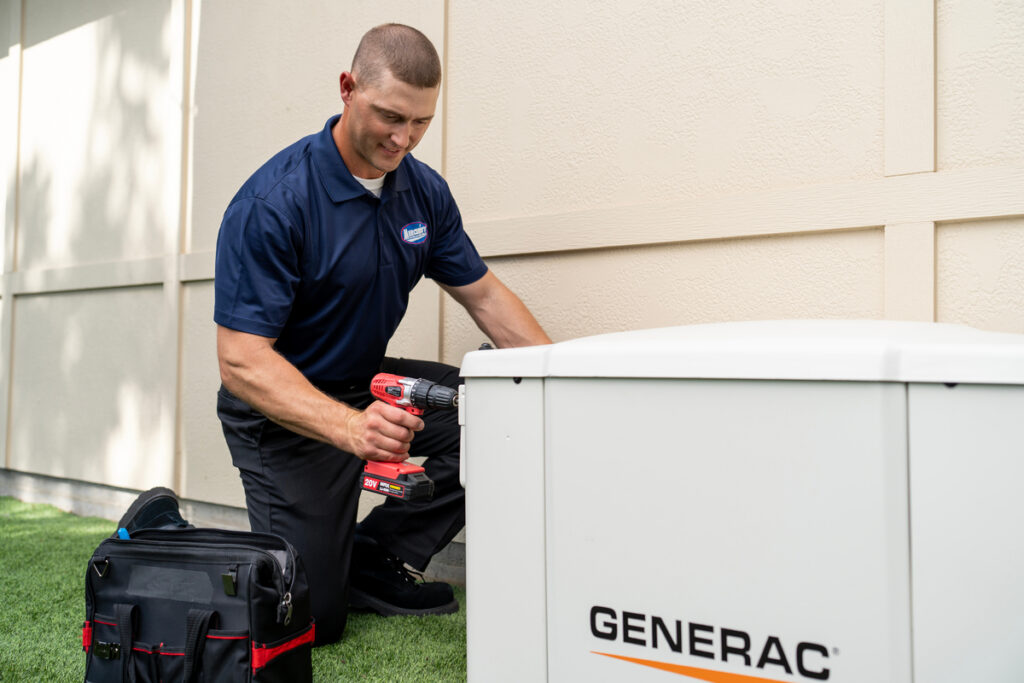
Whole-home generators are reliable backup power sources for homeowners looking for uninterrupted power. Generators help protect you and your family by preventing food spoilage, keeping your HVAC running, and protecting critical medical devices.
If you’re interested in getting a generator installed on your property, you may be wondering how to prepare for generator installation. In this generator installation preparation guide, we’ll share how to choose the best generator, site preparation tips, fuel considerations, and more.
Choosing the Right Generator
It is essential to select the proper generator for your home size and power demands. Selecting the proper generator size ensures that your home’s critical systems stay running during outages without overloading the generator.
Importance of Selecting the Proper Generator Size
If you choose a generator that is undersized for your property, it will struggle to manage loads effectively, potentially damaging the unit and connected appliances. A unit that’s too large wastes excess fuel and costs more upfront than necessary.
A professional generator tech will calculate your wattage needs and conduct a full assessment to determine the proper size of the generator.
Whole-Home vs. Partial-Home Coverage
Partial-home generators, also called portable generators, are designed to power a few essential circuits running. Typically, they can power the lights, a refrigerator, a few outlets, and possibly a window AC unit. Portable generators require manual startups and generally run on propane or gasoline.
Whole-home standby generators are permanently installed and automatically detect outages, kicking on when needed. They are directly wired into your home electrical panel using an automatic transfer switch and can power your entire home.
From central air conditioning to sump pumps, this type of generator can power it all. It offers unmatched convenience and protection to homeowners.
Fuel Type Considerations
Choosing the right fuel type is based on availability, storage, and how long you expect to run your generator.
- Gasoline is the most common fuel for portable generators. It’s widely available but has a limited shelf life even with a stabilizer.
- Propane can be stored indefinitely in large tanks on your property. It’s popular for both standby and portable units, especially in rural areas.
- Natural gas is the ideal fuel for permanently installed standby generators. Generators can be connected directly to your home’s natural gas line, so you never have to refuel. The generator can run indefinitely as long as the utility supply is good.
How to Prepare the Generator Installation Site
Site preparation is just as important as choosing the right generator. Proper installation protects your investment and ensures reliable operation. Before you place your generator, the site should meet safety requirements and be code compliant.
The manufacturer's guidelines and local building codes govern where a generator should be installed. Always check with your local permitting office before breaking ground.
Level Ground Preparation
Level ground preparation is a universal standard for every installation. Generators must have a safe and stable place to sit to ensure proper oil distribution, fuel flow, and vibration management.
Pre-cast concrete pads or poured concrete slabs are the most common foundations. Gravel beds with compacted base material can sometimes be used but aren’t recommended for standby generators.
Ventilation & Clearance
Generators produce carbon monoxide, a colorless, odorless gas that can be fatal within minutes. Proper ventilation and clearance from windows and doors are non-negotiable safety requirements.
Standby generators should be at least five feet from windows, doors, soffit vents and AC intakes, and entryways. These clearances ensure that dangerous exhaust gases don’t enter living spaces.
Vegetation Clearance
It’s best to maintain at least a three-foot clear perimeter around all sides of the generator to prevent restricted airflow or moisture. Trim trees to at least five feet above the top of the generator.
Accessibility
It’s also crucial that the generator is accessible for routine maintenance. Generators require regular service and oil changes every six to 12 months. Make sure there’s a clear path for generator technicians to access the unit and consider adding motion-activated lighting.
Noise Considerations
Modern standby generators are much less noisy than their predecessors, but still make some noise. Be intentional when choosing the generator installation site and position it away from bedrooms and outdoor living areas.
Ensure Electrical Systems Can Handle New Load
Sometimes, older electrical systems aren’t equipped to handle modern power demands. Before getting a generator installed, it’s important to evaluate whether your existing system is adequate.
When your home was built, the electrical panel, wiring, and service entrance were designed to handle a specific load. Most homes built before the 1980s were wired for 100-amp service, which is often inadequate for modern power demands, such as standby generators and EV chargers.
If you have a 100-amp panel, you may need to upgrade to a 200-amp panel before getting a generator. Additionally, your panel must have open breaker slots to accommodate a transfer switch. If it needs more room, a subpanel can often be added instead of a full panel replacement.
Your home wiring should also be assessed by an electrical professional for proper grounding and bonding and compatibility with modern systems.
Work with Local Experts
It’s highly encouraged to work with local professionals, such as those at G&G Heating and Air Conditioning to ensure proper sizing, quality installation, and safety. The experts at G&G are licensed professionals with electrical training and experience installing generators.
Call us at (360) 499-6604 today for generator installation.
Get the Right Permits
Permit requirements will vary by location. G&G Heating and Air Conditioning’s generator technicians are experts in Olympia and Tumwater permit requirements and take care of securing the necessary permits.
Some neighborhoods or HOAs also have restrictions when it comes to generators, so it’s important to speak to neighborhood leaders before installing a generator.
Determine the Best Type of Fuel
Determining the best type of fuel is based on several factors, including:
- Connections: Fuel connection is a practical consideration for homeowners. Natural gas is often the most seamless option for fueling a generator. If you already have a municipal gas line running on your property, a generator can be tied in directly.
- Storage: Different types of fuel have different shelf lives and storage considerations. For instance, diesel has a shelf life of 12-24 months, and natural gas is unlimited when connected to the municipal line but is subject to utility outages.
- Tank needs: For on-site storage of fuel, you will need to determine the proper tank sizing for your needs and generator fuel consumption rate.
- Availability: The type of fuel you decide on must be reliably available in your area, especially during and after regional disasters.
Contact Us
G&G Heating and Air Conditioning specializes in whole-home generator services. Now that you understand preparing for generator installation, you can be ready. From choosing the right size of generator to permitting, there’s a lot that goes into standby generator installation.
Our professionals walk with you every step of the way. Give us a call at (360) 499-6604 or schedule online.
Schedule Online(360) 499-6604Preparing Your Home for a New Generator Installation
Frequently Asked Questions
Grounding requirements for home generators are governed by the National Electrical Code (NEC) Article 250 and enforced by local building inspectors. Generators connected to your home’s wiring through a transfer switch must be properly bonded to the home’s existing grounding electrode system.
Whether a whole-home generator requires a dedicated ground rod depends on if it is classified as a “separately derived system.” If a ground rod is required, the NEC mandates a minimum 8-foot copper-clad steel rod to be driven fully and connected with a listed clamp or exothermic weld. Most electricians install two rods to ensure compliance without requiring a resistance test.
Share this article